About Akamoku — The Superfood of the Sea
What is Akamoku?
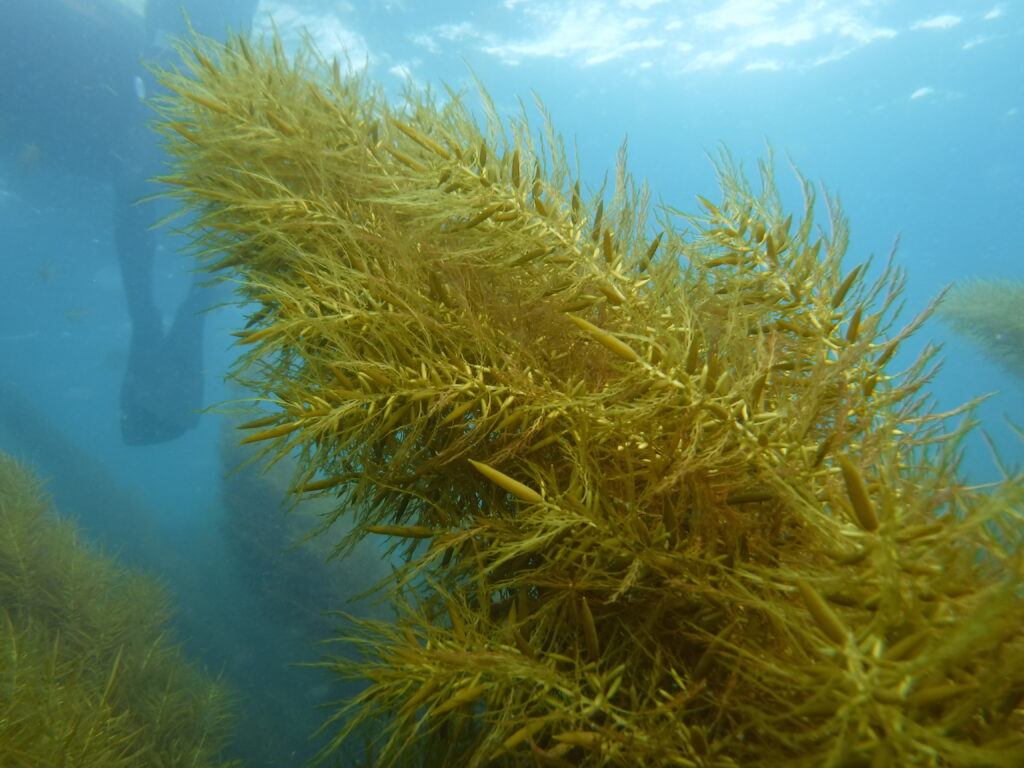
Akamoku (scientific name: Sargassum horneri) is a species of brown seaweed belonging to the Sargassaceae family. It is found along coastlines throughout Japan and can grow to around four meters in length. In Japanese, it is written with characters meaning "red seaweed."
Long valued as food along the Sea of Japan coast, akamoku was historically regarded as a nuisance to fishing operations on the Pacific side. In recent years, scientific research has revealed its remarkable nutritional value, earning akamoku nationwide recognition as a superfood of the sea.
Texture and Flavor
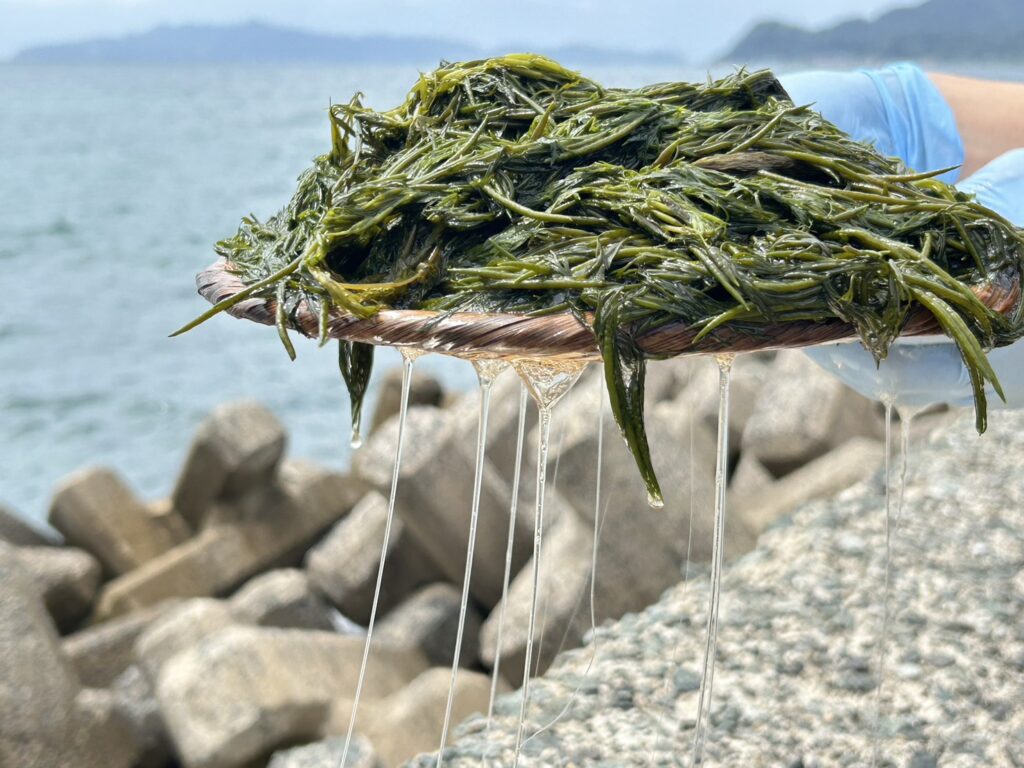
Akamoku's defining quality is the coexistence of strong viscosity and a crisp, satisfying bite. With a clean, mild flavor, it is a seaweed that is easy for anyone to enjoy.
Raw akamoku has a reddish-brown color, but turns a vivid green when blanched in hot water. This striking color change is one of akamoku's distinctive charms.
Rich in Nutrients
Akamoku is naturally rich in the following nutrients:
- Fucoidan — A polysaccharide believed to support immune function. Akamoku has been shown to contain higher levels than wakame or mozuku.
- Fucoxanthin — A carotenoid unique to brown seaweed, recognized for its antioxidant properties.
- Minerals — Rich in calcium, magnesium, iron, and other essential minerals.
- Vitamin K — A fat-soluble vitamin essential for healthy bone formation.
- Polyphenols — Compounds known for their antioxidant properties.
- Dietary Fiber — Rich in soluble fiber, supporting healthy digestion.
Season and Availability
Akamoku is at its peak from late winter through spring, typically January to May. Akamoku harvested during this season offers the strongest viscosity and richest flavor. Through freezing and drying processes, it is made available year-round.
Regional Names
Akamoku is known by many names across Japan. It is called gibasa in Akita and Ishikawa, ginbaso in Yamagata, and nagamo in Niigata. These regional variations reflect how deeply akamoku has taken root in the local food cultures of Japan.